The Quiet Role That Changes Lives
When we talk about elderly healthcare, we often think of doctors, nurses, and hospitals. But there is another group that quietly supports seniors every single day — caregivers. Awareness about elderly oral health in India encourages regular dental care and preventive practices.
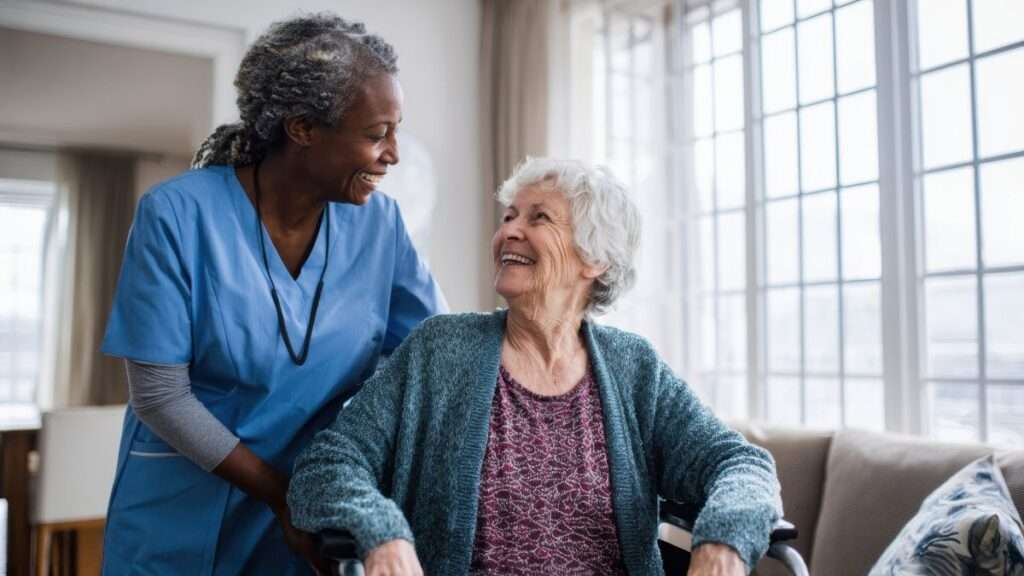
Caregivers may be family members, attendants, or staff working in old-age homes. They help with daily activities like eating, bathing, and moving around. What often goes unnoticed is their role in maintaining oral health, which is just as important.
Healthy teeth and gums allow elderly people to eat comfortably, speak clearly, and feel confident. The Association of Geriatric Dentistry (AGeD) believes that when caregivers are informed and supported, the overall health and dignity of senior citizens improves greatly.
Why Caregivers Matter in Elderly Oral Health
As people age, many everyday tasks become difficult. Simple activities like brushing teeth or cleaning dentures may no longer be easy.
Elderly individuals often face:
- Joint pain or arthritis that affects hand movement
- Poor eyesight
- Memory-related conditions
- Limited mobility or dependence on others
Because of this, caregivers become responsible for daily oral hygiene. Without proper guidance, small dental problems can be missed and later turn into painful conditions.
Common issues that caregivers may notice include:
- Bleeding gums
- Mouth sores
- Bad breath
- Loose dentures
- Complaints of pain while eating
With basic training, caregivers can identify these early signs and seek timely help, preventing unnecessary discomfort.
How AGeD Supports and Trains Caregivers
AGeD conducts simple and practical geriatric oral care workshops specially designed for caregivers. These sessions focus on real-life situations rather than medical theory.
The workshops usually cover:
- Basic oral care methods
Easy demonstrations on brushing, rinsing, and denture cleaning - Hygiene and safety tips
How to assist elderly patients gently and safely - Nutrition and hydration awareness
Understanding how food and water affect oral health - Problem identification
Spotting pain, swelling, bleeding, or mouth ulcers - When to seek help
Knowing when to contact a dentist for follow-up care
These sessions are conducted in old-age homes, hospitals, and community centers across India. Caregivers often share that even small changes bring visible comfort to the elderly.
The Emotional Side of Caregiving
Caregiving is not just physical work — it is emotional too. Many caregivers work long hours and form close bonds with the people they care for. They notice changes in mood, appetite, and comfort long before anyone else does.
By training caregivers, AGeD also acknowledges their importance. Their daily involvement makes them a vital link between dentists and elderly individuals.
When caregivers feel confident about oral care, they become active partners in improving overall health and well-being.
Simple Oral Care Tips for Caregivers
Small daily habits can make a big difference. Caregivers can help by:
- Helping seniors brush twice a day with a soft toothbrush
- Encouraging rinsing after meals, even with plain water
- Cleaning dentures daily and soaking them overnight
- Offering water regularly to prevent dry mouth
- Reporting pain, bleeding, or mouth sores to a dentist
- Changing toothbrushes every three months
Consistency matters more than perfection.
How Families and Institutions Can Help
Families, nursing homes, and care facilities should treat oral care as a part of daily hygiene — just like bathing or feeding.
They can support caregivers by:
- Arranging regular dental check-ups
- Encouraging oral health training sessions
- Providing basic oral hygiene supplies
- Creating awareness among staff and family members
AGeD welcomes partnerships with institutions that want to strengthen caregiver education and improve elderly oral health at the community level.
Final Thought
Caregivers are the backbone of elderly care. Their quiet efforts bring comfort, dignity, and confidence to senior citizens every day.
By giving caregivers the right knowledge and support, we ensure that elderly people receive the care they truly deserve. The Association of Geriatric Dentistry (AGeD) continues to stand with caregivers across India — guiding, educating, and appreciating their invaluable role.
👉 To learn more about caregiver training programs or to organize a workshop, visit ageddentistry.org and be part of this meaningful effort.
FAQs: Supporting Caregivers in Elderly Oral Health
Why is oral care important for elderly people?
Good oral health helps seniors eat comfortably, avoid pain, and maintain confidence and overall well-being.
Can caregivers really help with dental care?
Yes. Caregivers assist daily and can notice problems early if they are trained properly.
Does AGeD provide caregiver training?
Yes. AGeD conducts simple workshops that teach practical oral care skills for elderly individuals.
Who can attend these workshops?
Caregivers, family members, nursing staff, and attendants working with senior citizens.
How can an institution partner with AGeD?
Institutions can contact AGeD through ageddentistry.org to arrange training or awareness programs.